Fort Lauderdale
Estampado DTF personalizado en Fort Lauderdale, FL
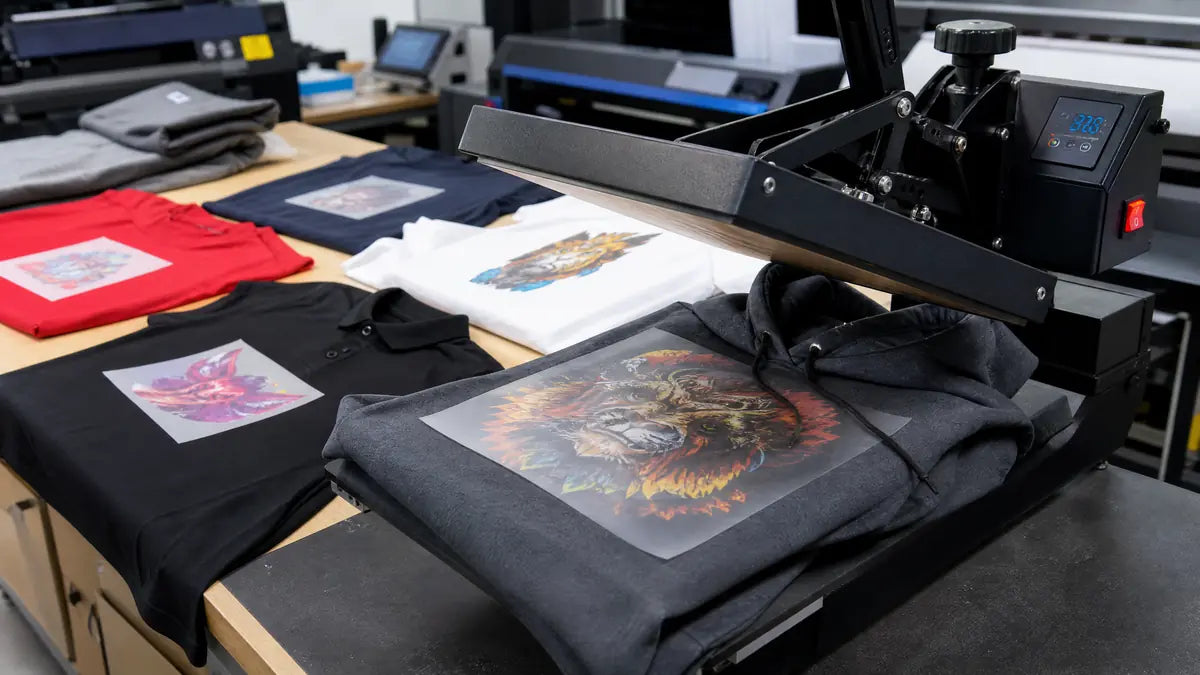
El DTF es el método al que recurrimos cuando un pedido de Fort Lauderdale abarca varios tipos de prendas — la empresa náutica que necesita camisetas de algodón para el personal del astillero y camisas de poliéster que alejan la humedad para el personal del muelle, el restaurante que quiere camisetas para el personal más gorras para eventos, el contratista cuyo equipo necesita ropa de trabajo ripstop con su marca junto con polos de oficina con su marca. Como las transferencias DTF se aplican a prácticamente cualquier tela, aplicamos con la prensa de calor transferencias en algodón, mezclas de poliéster, algodón ringspun, tri-blend, ropa de trabajo ripstop y gorras, todo en una misma tirada de producción.
Por eso el DTF va tan bien con los pedidos de 5 a 40 piezas en Fort Lauderdale. La serigrafía es el método habitual en otros lugares para una tirada grande de un solo diseño, y DTG está pensado para piezas sueltas en algodón claro; Adorb no hace serigrafía ni trabaja con DTG, así que estampamos estos pedidos de tamaño medio y de prendas mixtas con DTF, sin mallas que preparar. Nuestro taller está en 389 NE 2nd Ave, en Hallandale Beach — a 15–20 minutos en carro al sur del centro de Fort Lauderdale. La recogida gratis en el taller siempre está disponible; los pedidos más grandes se pueden entregar en Fort Lauderdale.
También operamos SoFLo DTF, nuestro negocio hermano de suministros DTF en el sur de Florida — lo que significa que controlamos nuestro propio abastecimiento de película de transferencia y polvo adhesivo, en vez de depender de mayoristas externos. Transferencias más frescas, un control de calidad más estricto y precios que reflejan el costo mayorista más la aplicación, no el margen de un revendedor.