

📍 Sunny Isles Beach, Florida
Screen Printing
in Sunny Isles Beach
What screen printing is, when it makes sense, and how we print your Sunny Isles Beach order in-house with DTF, UV DTF or embroidery instead. Local pickup, ready in 1-10 days depending on order size.
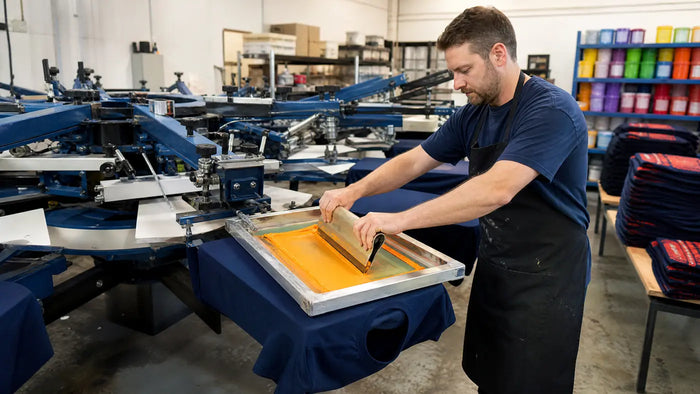
Screen Printing in Sunny Isles Beach, Explained
Screen printing is the classic choice when an order is 25 shirts or more of the same design, and along Collins Avenue in Sunny Isles Beach that means staff and event tees for the oceanfront condo towers and resorts, apparel for the restaurants and beach concessions on the strip, and community and school event shirts across the 33160: thick ink, rich color and a per-shirt cost that drops fast with quantity. Adorb doesn't run screen-printing presses. We print these orders in full color with DTF transfers, with no screens to set up and no minimum.
Our shop sits at 389 NE 2nd Ave in Hallandale Beach, an 8–10 minute run north on Collins Avenue (A1A) or US-1 from the Sunny Isles towers, so Sunny Isles Beach orders skip the shipping wait. Building-event tees for the tower calendars, beach-restaurant staff shirts and K-8 spirit wear are all easy to plan around a short trip. Most orders are ready in 1 to 10 days, depending on order size, and on a tight date it is worth asking, because same-day options may be available on rush orders. Drop-offs and pickups are free, and larger orders can be delivered south down Collins into Sunny Isles.
What Is Screen Printing?
Ink is pressed through a fine mesh screen, one per color, for a bold print that stands up to salt air and daily wear. Full process on the Custom Screen Printing hub.

Ready to Print Your Sunny Isles Beach Order?
Fast turnaround, competitive pricing, and free, no-obligation quotes.
Get My PrintingWho Orders Screen Printing in Sunny Isles Beach
Sunny Isles Beach — "Florida's Riviera" — is a wall of oceanfront towers along Collins Avenue, and screen-print orders there follow the buildings and the beach. Three groups usually order it: staff and event apparel for the luxury condo towers and resorts, tees for the restaurants and beach concessions along Collins Avenue, and community and school event shirts across the 33160. Each is typically 25 pieces or more of one design, the size screen printing is chosen for. Here is what those orders usually look like, and how we print the same jobs with DTF.
Condo & Resort Staff Apparel for the Collins Avenue Towers
The luxury oceanfront towers along Collins Avenue, and the resorts and condo-hotels between them, run active event and staff-apparel calendars: building holiday parties, tournament and pool-season events, beach-day tees, maintenance and grounds-crew shirts, and resident-event apparel. Event orders for a building commonly run 30 to 100 pieces on its established logo and colors, which is the size where people usually think of screen printing. We print the same orders with DTF, which keeps the logo colors true.
Because most towers reorder on a predictable calendar, we keep your artwork on file, so an event-shirt reorder is usually a phone call: sizes, quantities, event date. Most orders are ready in 1 to 10 days, depending on order size, and larger orders can be delivered to the building's lobby or management office.
Buildings that want fresh event art each season rather than reusing the logo can send the new artwork with the sizes and quantities, and a quote and proof usually come back the same day.

Restaurants & Beach Concessions Along Collins Avenue
The restaurants, cafés, beach clubs, and oceanfront concessions along Collins Avenue and the Sunny Isles strip often need custom apparel: front-of-house tees for servers and hosts, back-of-house tees in a distinct color for kitchen crews, and event or promo apparel for seasonal menus and beach events. Screen printing is the usual choice for the first two categories at 25 or more pieces each; we print those staff tees with DTF, durable enough for daily beach-side and kitchen wear.
Beach concessions and water-sports operators — chair-and-umbrella crews, jet-ski and watersport rentals, and the resort pool-and-beach teams — order branded staff tees that take sun and saltwater every day, which is why crews buy them in quantity. We print those in the operator's colors with DTF. Our shop is a short run north in Hallandale, so pickup is quick and free, and larger orders can be delivered down Collins.

Community & School Events in the 33160
Sunny Isles Beach runs a busy civic and family calendar for a small barrier-island city — city-sponsored beach festivals and holiday events at Pier Park and Samson Oceanfront Park, community 5Ks, and spirit wear and team apparel for the Norman S. Edelcup Sunny Isles Beach K-8 School and the youth programs across the 33160. The same design across 25 to 150 shirts, printed in the event or school colors, is the size screen printing is usually chosen for, and we print those orders with DTF.
For city and school events, send the sizes and deadlines with your quantity and we will send back a quote and proof, usually the same day. With DTF, numbers and names print as part of the same transfer, so numbered backs for youth teams are not a separate step, and you can send the roster in one message.
Because the international community here runs many of its own cultural and family events, text in more than one language is common. It prints the same way as any other artwork with DTF, and we keep your artwork on file for annual reorders. Tell us the event date up front and we will plan backward from it.
What Can Be Screen Printed
Beach and resort staff tees, polos, hoodies and totes are the usual screen-printing jobs here. DTF covers the same garments, and we embroider polos in-house. Full item list on the Custom Screen Printing hub.
Pricing, Quantities & Turnaround in Sunny Isles Beach
Screen printing sets up one screen per color, a one-time cost divided across the run, so a large staff order prices well below a small one per piece. DTF has no per-color setup, so a full-color design sets up the same way as a one-color one, and there is no minimum. Send your design and quantity for a quote, usually the same day; most orders are ready in 1 to 10 days, depending on order size.
Ready to Get Started?
Request your free quote — most orders ready in 1–10 days, depending on order size.
Get My PrintingHow to Order Your Printing in Sunny Isles Beach
Send your design and count, approve a proof, and we print your order with DTF in-house at our Hallandale Beach shop. Most orders are ready in 1 to 10 days, depending on order size.
Get Your Custom Printing Quote
Fast turnaround, competitive pricing, free local delivery in Sunny Isles Beach.
Get My PrintingRequest a Custom Printing Quote — Sunny Isles Beach
Tell us about your order and we will get back to you within 1 business day.
Screen Printing in Sunny Isles Beach — frequently asked questions
Do you print staff shirts for Sunny Isles Beach high-rise hotels and condos?
Yes. Pool, valet and front-desk staff tees for the luxury condo and hotel towers along Collins Avenue can be printed in full color with DTF, and we keep your artwork on file for seasonal staffing changes.
Can you print vendor shirts for the Sunny Isles Beach Jazz Fest?
Yes. Vendor and staff shirts for the annual Jazz Fest and other Samson Oceanfront Park events can be printed in full color with DTF. Tell us the event date up front and we will plan backward from it; most orders are ready in 1 to 10 days, depending on order size.
Our shop
Visit our Hallandale Beach shop
389 NE 2nd Ave, Hallandale Beach, FL 33009
Pickup and drop-off at the shop, right on the Miami-Dade and Broward line.
Order Custom Printing in Sunny Isles Beach today
Call, WhatsApp, or fill out the quote form. We will handle the rest — artwork, printing, and local pickup.

About Us
At Adorb Custom Tees, we make comfortable and personalized clothing and gifts for every occasion.
- Choosing a selection results in a full page refresh.
- Opens in a new window.